

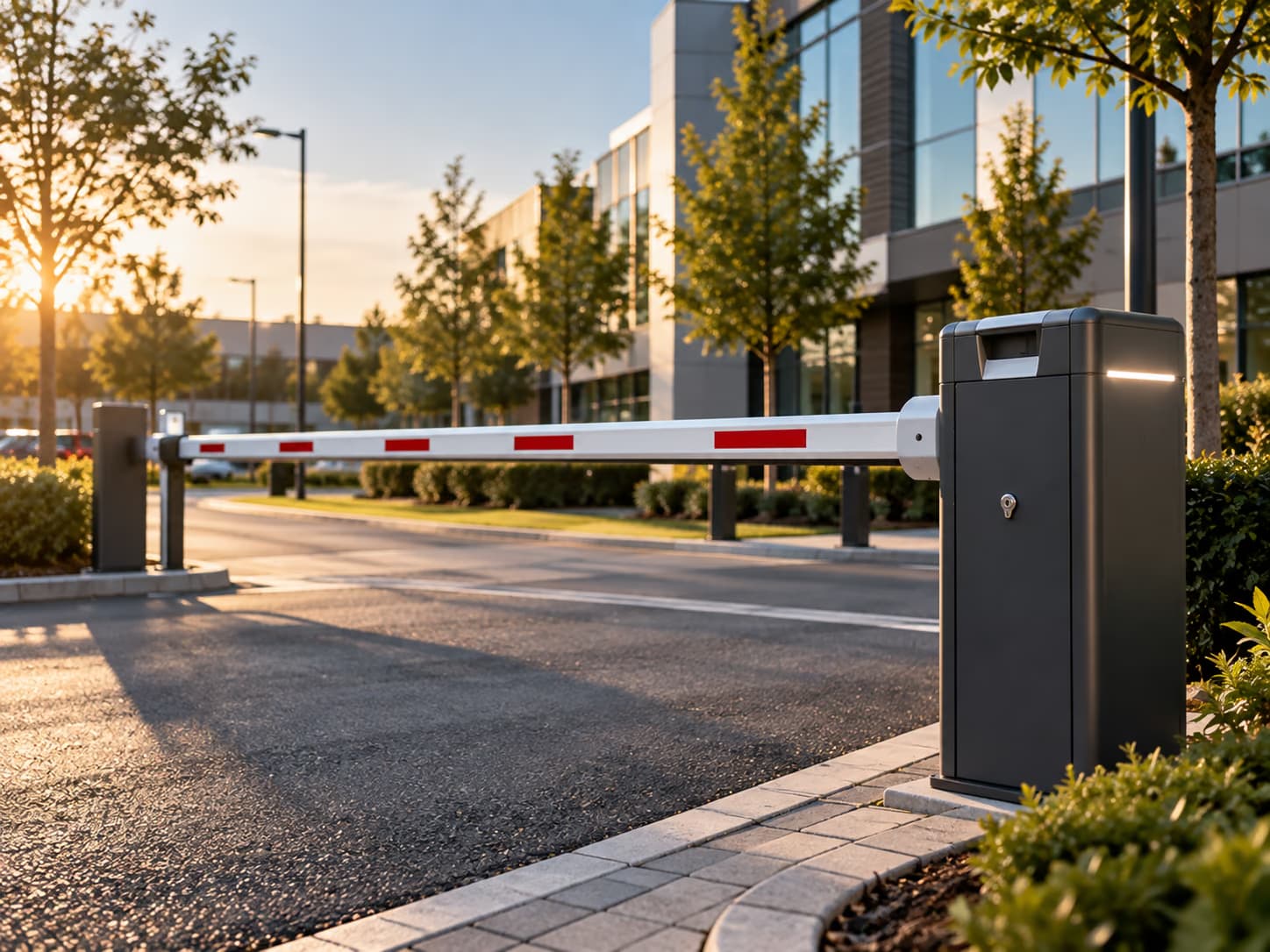
Automatic barriers
Automatic barriers.How they work and which to choose.
What a rising-arm barrier is, when it is a better choice than a gate, and how to choose the right barrier for how busy your entrance is.
- Every barrier
- Supplied & installed
- Installation
- Within 7 daysOf placing your order
What an automatic barrier is
An automatic barrier is a cabinet with a powered arm. When an authorised vehicle arrives the arm lifts; once the vehicle has cleared the crossing, it lowers again. Barriers suit entrances used by many drivers, many times a day —car parks, business entrances and yards, and shared residential roads.
Whether a barrier keeps working depends on how it is specified: an arm sized to the opening, controls that suit the people using it, safety detection for the traffic, and a base suited to the ground — then how it is installed and commissioned, and serviced once it is in use.
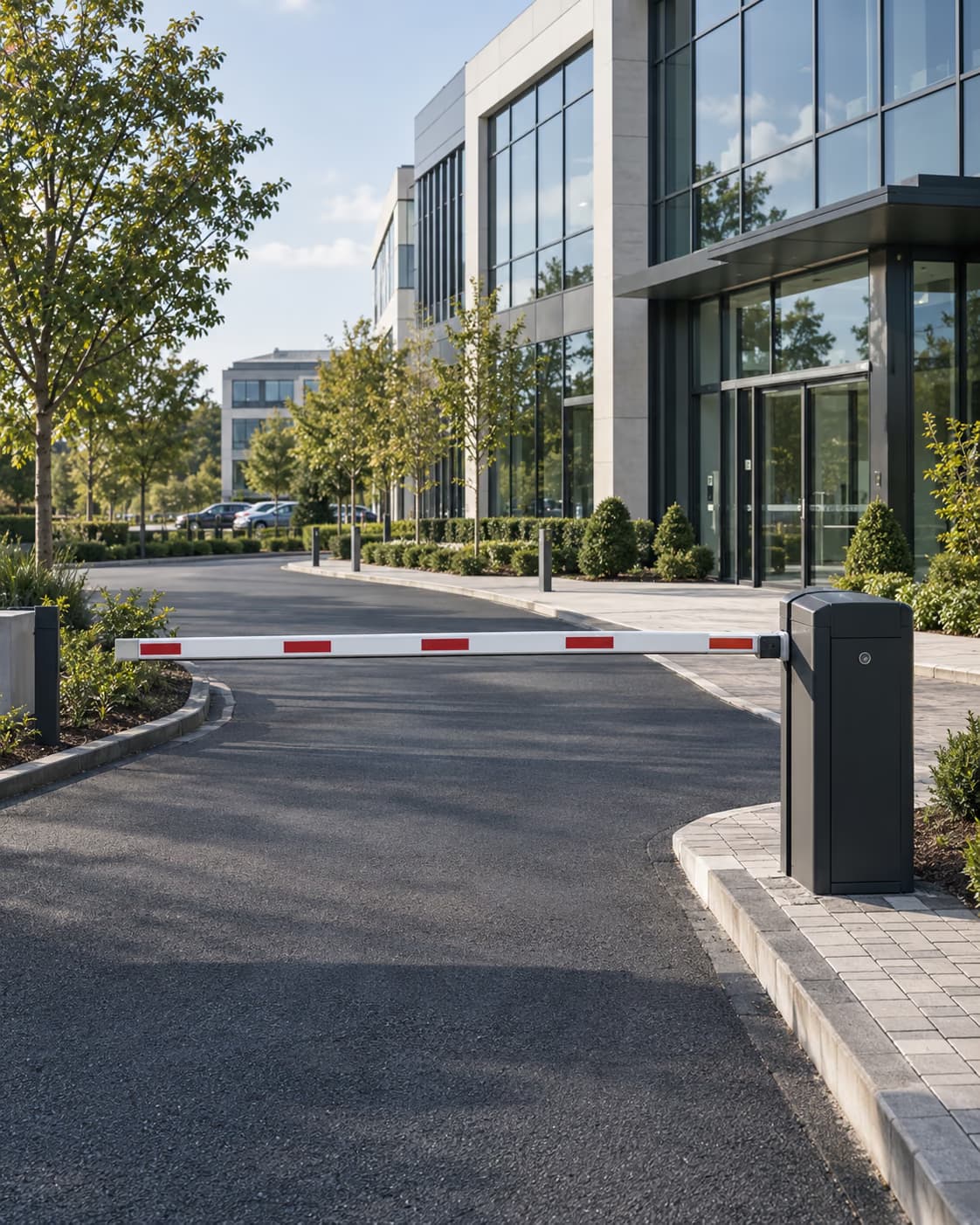
The parts of a barrier
Every barrier we supply is specified and installed as a complete system. These are the parts and what each one does.
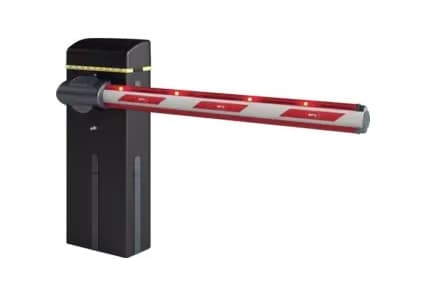
The cabinet
A weatherproof steel housing bolted to its own base. It holds the drive, the balancing mechanism and the control board — everything that makes the arm move.The drive
An electric motor and gearbox that raise and lower the arm, slowing at each end of travel so the arm does not slam.The arm
A lightweight boom with reflective markings, sized to the width of the crossing. Longer arms rest on a support post when down.The controls
The board that decides when to open: a keypad, fob, intercom, ANPR camera or simply a push button — whatever the site needs.The safety devices
Detection that stops the arm closing onto a vehicle — typically an induction loop in the surface, sometimes photocells as well.The groundwork
A concrete base for the cabinet and ducting for the power and control cables.
Featured barrier systems. CAME, Beninca and BFT.
Choose a manufacturer to shop its barriers, configure the options your entrance needs and add it to your basket. Every barrier is supplied and professionally installed.
01Choose a manufacturer
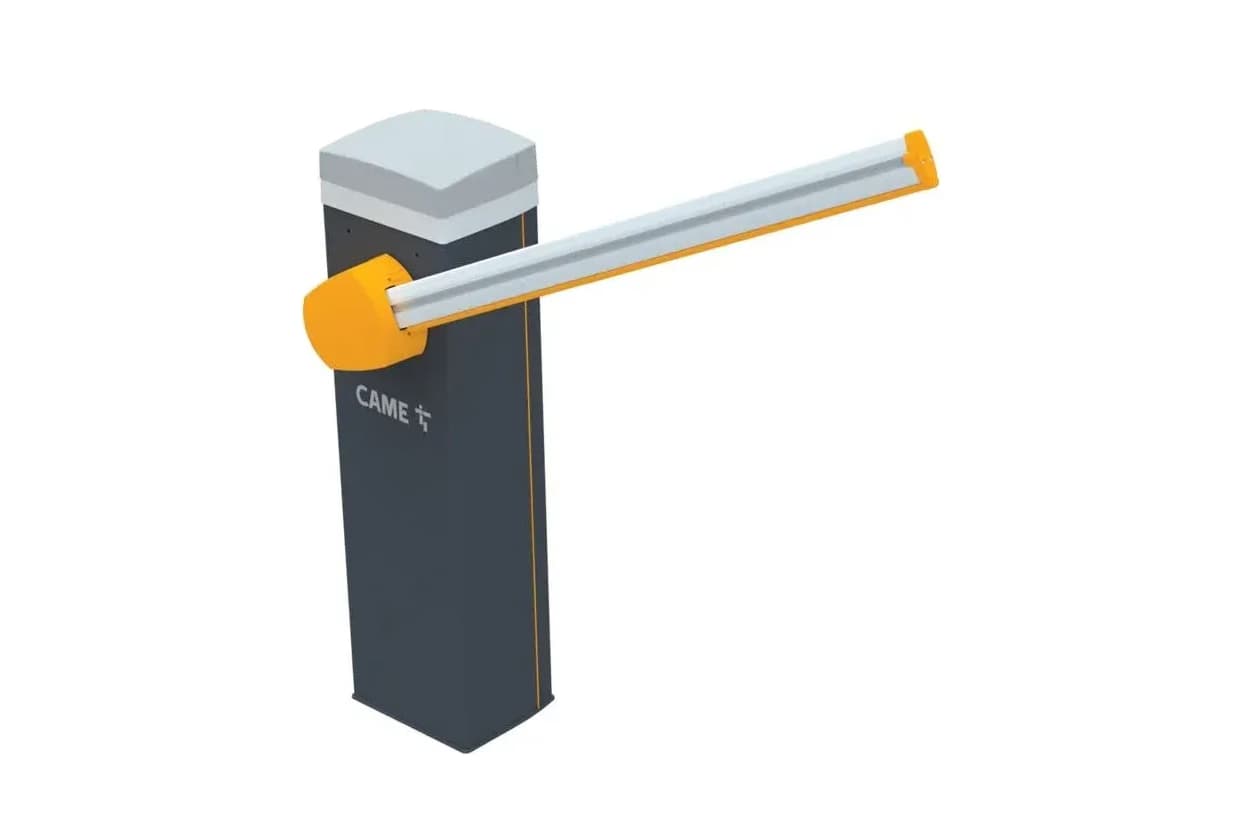
 CAMERanges include GARD PX · GARD GT4 · GT8Kits from £896.00 + VATShop 6 CAME barriers
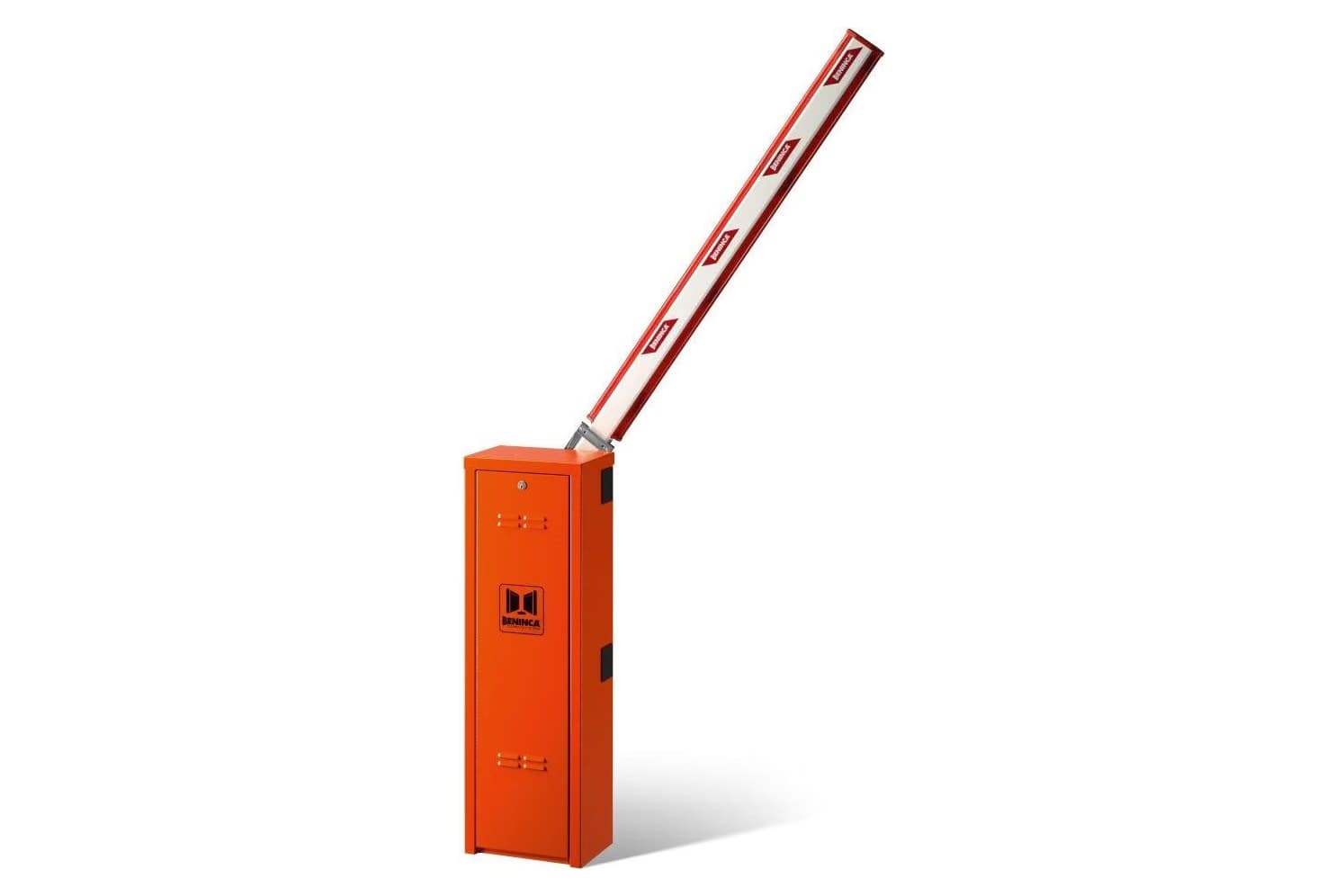
 BenincaRanges include LADY · VE.650Price on requestRequest a Beninca quote
 BFTRanges include MOOVI · MICHELANGELO BT AKits from £2,449.25 + VATShop 4 BFT barriers
- New barrierCustom / New BarrierA requirement outside our catalogue — specified and quoted for you.Bespoke · quotationDescribe your requirement
Ranges named are taken from each manufacturer’s published information; the right model for your entrance is confirmed at survey. CAME, Beninca and BFT are trademarks of their respective owners.
Barrier or gate?
They solve different problems. Choosing the right one first avoids paying for the wrong equipment.
Speed
An arm opens in a fraction of the time a gate takes to swing or slide, so queues do not build at busy entrances.Footprint
No swing arc and no run-back space. A barrier fits where a gate physically cannot — tight lanes, kerbed islands, car park ramps.Frequency
Barriers are designed for crossings used throughout the day by many different drivers.When a gate is better
Where the aim is to stop people on foot or secure a perimeter overnight, a gate is the right tool. A barrier controls vehicles, not pedestrians.
Matched to how busy the entrance is
Each manufacturer rates its barriers for a duty level — low, medium or high / intensive. Every barrier is supplied at cost and professionally installed; the exact model and arm are confirmed at survey.
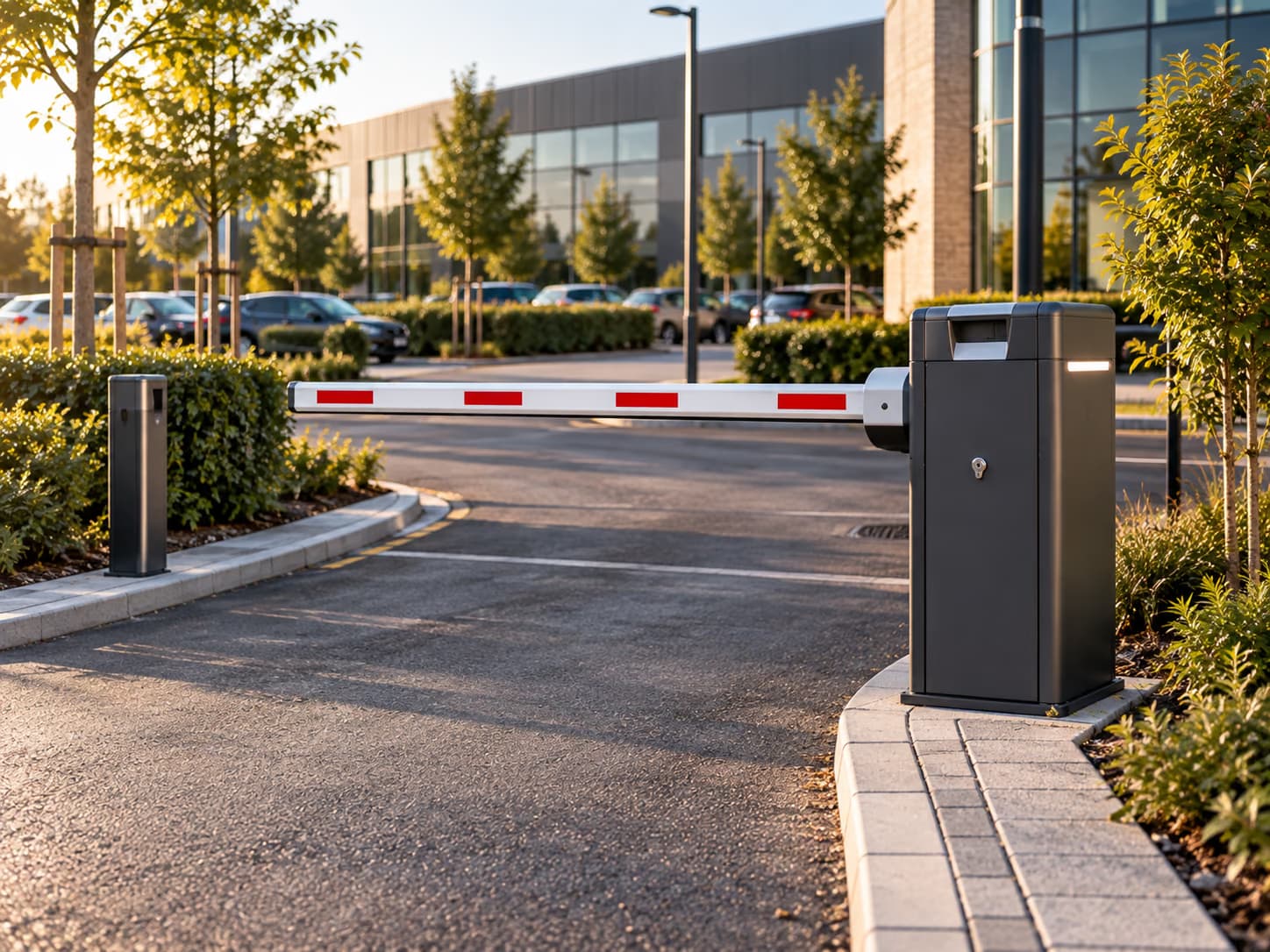
Low Usage
Light, occasional traffic.
Private roads, residential entrances and small staff car parks.
Shop low duty barriersMedium Usage
Regular traffic through the working day.
Business entrances, staff and visitor car parks.
Shop medium duty barriersHigh / Intensive Usage
Busy, near-continuous traffic.
Public and shared car parks, depots, industrial and estate entrances.
Shop high / intensive duty barriers
Common questions
What is an automatic barrier?
An automatic barrier — often called a rising-arm or boom barrier — is a powered arm that lifts to let an authorised vehicle through and lowers behind it. It is controlled by a keypad, fob, intercom, number-plate recognition or a push button, and is protected by safety detection so it cannot close onto a vehicle.
Is a barrier or a gate right for my entrance?
If the entrance is used frequently by vehicles and the priority is controlling traffic quickly, a barrier is usually the better choice. If the priority is stopping pedestrians or securing a perimeter, a gate is. We will tell you which suits your site.
Do I need a low, medium or high usage barrier?
It depends on how busy the entrance is. Light, occasional traffic — a private road or small car park — suits a low-usage barrier; regular traffic through the working day suits medium; busy, near-continuous traffic needs a high or intensive-use barrier. If you are not sure, choose Not sure and we will recommend the right duty at survey.
How long can a barrier arm be?
It depends on the barrier. Among the ranges we feature, manufacturers publish maximum openings from under 4 m to 8 m. Longer arms need a heavier drive and often a support post for the arm to rest on when it is down. The arm is always sized to the real opening at survey.
Which barrier manufacturers do you supply?
CAME, Beninca and BFT, with a further barrier option coming soon. The barrier is supplied at our cost and professionally installed. If you already have a preferred model, tell us when you enquire and we will confirm whether it suits the site.
Can I buy a barrier without installation?
No. Every barrier we supply is professionally installed and commissioned by our team — we do not sell barrier hardware on its own.
Do automatic barriers need a power supply?
Yes. A barrier needs a mains supply at or near the cabinet position. If there is no supply nearby, tell us when you enquire and it will be covered in the survey.
Can a barrier be added to an existing entrance?
In most cases, yes. The cabinet needs a suitable base and the surface under the arm needs to accept a detection loop. Both are checked at survey.
How quickly can a barrier be installed?
Installation within 7 days of placing your order. You place your order by accepting the written quotation that follows the site survey.
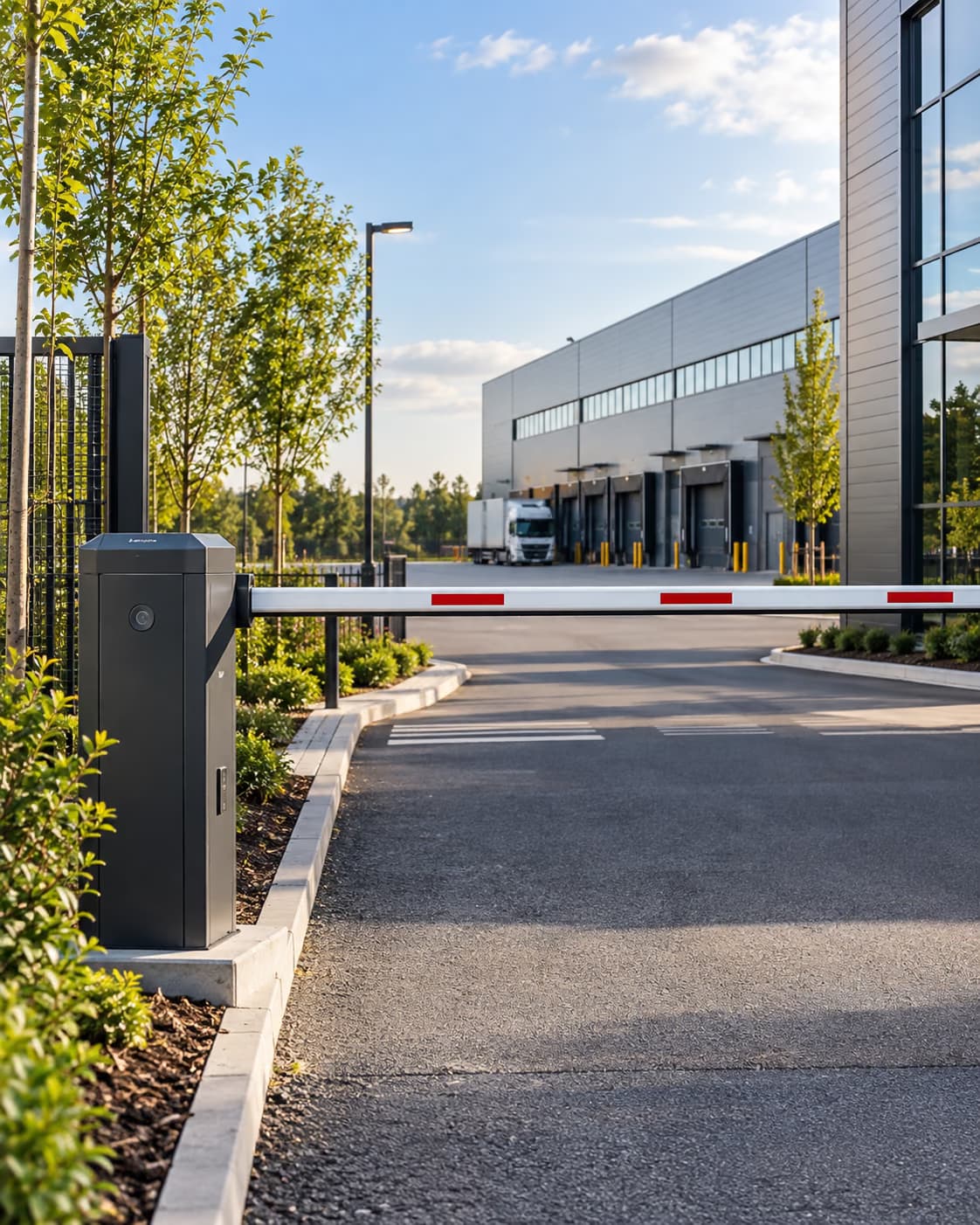
Know what your entrance needs?Configure the barrier.
Choose the manufacturer and the barrier, add the options your site needs, and send it to us — supply and installation in one quotation.